
If you love the clean, sophisticated shape of an emerald cut but can’t live without the fiery sparkle of a round brilliant, the radiant cut is your answer. It’s the ultimate hybrid, a modern masterpiece designed to give you the absolute best of both worlds. Think of it as a stone that feels both timeless and completely of the moment.
The Ultimate Hybrid Cut

The radiant cut is a genius combination of two totally different approaches to cutting a diamond. On one hand, it borrows that elegant, elongated silhouette from step-cuts like the emerald. But on the other, it steals the complex, light-shattering facet pattern from brilliant cuts like the classic round. The result is a stone that is anything but ordinary.
The radiant cut offers a unique value proposition: the impressive size perception of a rectangular shape combined with the dazzling sparkle that brilliantly hides imperfections.
This stunning design was no accident. The radiant cut was expertly engineered in 1977 by master cutter Henry Grossbard. His goal was to create a stone that married the fiery brilliance of a round with the elegant geometry of a rectangle. He achieved this with an innovative 70-facet design and added cropped corners for extra durability. It was an instant success, and the patented cut quickly became one of the top ten most requested diamond shapes for engagement rings. You can explore more on the radiant cut's origins and its impact on modern jewelry design.
To give you a quick overview, here are the core characteristics of a radiant cut diamond.
Radiant Cut Diamond At a Glance
This table breaks down the key features that define this unique and popular diamond shape.
| Characteristic | Description |
|---|---|
| Shape | Rectangular or square with cropped corners. |
| Facets | 70 facets in a brilliant-cut pattern. |
| Sparkle | Intense fire and brilliance, often called a "crushed ice" effect. |
| Durability | High, thanks to its beveled corners that resist chipping. |
| Best For | Someone who loves the sparkle of a round but wants a more modern, elongated shape. |
As you can see, the radiant cut is a well-rounded performer, blending sparkle, style, and sturdiness into one beautiful package.
Defining Features of a Radiant Cut
So what are the signature traits that give a radiant cut its unmistakable look and feel? It all comes down to a few key design elements working together in perfect harmony.
Here’s what to look for:
- A Rectangular or Square Shape: While most commonly seen as a rectangle, radiants are also cut into a perfect square, giving you a bit more versatility to match your personal style.
- Cropped Corners: Unlike the sharp, vulnerable points of a princess cut, a radiant has beveled corners. This not only creates a softer, almost octagonal outline but also dramatically improves its durability, making it far less likely to chip.
- Brilliant Faceting: With 70 facets meticulously arranged on its crown and pavilion, the radiant cut is engineered for maximum light return. This complex faceting is what produces its exceptional fire and scintillation, creating a signature "crushed ice" look that sets it apart from every other cut.
Understanding the 'Crushed Ice' Sparkle
The radiant cut’s signature look is a mesmerizing sparkle that jewelers affectionately call the "crushed ice" effect. It’s the perfect description. Imagine sunlight hitting a handful of shattered ice—not big, chunky blocks, but countless tiny, glittering shards. That's the kind of vibrant, splintery light show a radiant puts on.
This isn't just some clever marketing term; it’s the direct result of how the stone is cut. A radiant is a masterclass in hybrid design, borrowing the best traits from two different cutting styles. It has the clean, long-lined shape of a step-cut (like an emerald) but is faceted with the fiery, light-grabbing pattern of a brilliant-cut (like a round). The result is a stone with 70 masterfully arranged facets that create an intense, shimmering light return.
The Science Behind the Sparkle
To really get what makes a radiant so captivating, it helps to break its sparkle down into three parts. Think of them as the ingredients in its recipe for brilliance.
-
Brilliance: This is the stone’s ability to return pure, white light. The radiant’s brilliant-style faceting is specifically engineered to pull in light from every direction and shoot it straight back out, creating that bright, icy-white glow.
-
Fire: This is how the stone acts like a tiny prism, splitting white light into a rainbow of colors. Because a radiant has so many small facets, it produces a storm of colorful flashes with every movement.
-
Scintillation: This is the play of light and dark you see as the diamond moves. It's that lively "on-and-off" glittering. The "crushed ice" look is the ultimate example of scintillation, with thousands of tiny points of light bursting to life all at once.
These three elements don't just coexist; they work together in perfect harmony. The bottom half of the diamond (the pavilion) is cut for maximum light return, while the top half (the crown) is designed to create a dazzling display of fire and scintillation. It's this beautiful teamwork that gives the radiant its unique personality.
Expert Insight: One of the biggest advantages of this "crushed ice" sparkle is its ability to hide small internal flaws, or inclusions. The complex web of reflections makes it incredibly hard for the eye to focus on any single imperfection. This often means you can get a visually stunning, eye-clean stone for a much better value.
Unlike the big, bold flashes of a cushion cut or the crisp, geometric gleam of an emerald, the radiant offers something more chaotic and lively. It doesn't just flash; it glitters and dances with an almost liquid-like energy. This non-stop sparkle is what makes so many people fall in love with the radiant cut’s undeniable charm.
How Radiant Cut Compares to Other Shapes
Picking a diamond shape is one of the most personal—and fun—parts of designing an engagement ring. The radiant cut, with its electrifying sparkle and clean lines, really does stand in a class of its own. But to know if it's the right one for you, it helps to see how it measures up against the other big names in the diamond world.
A diamond's visual magic comes from three key ingredients: brilliance (the bright white light), fire (the rainbow flashes), and scintillation (the dynamic glittering effect). A radiant cut masterfully blends all three to create its signature "crushed ice" look, a storm of brilliant, fiery sparkle.

The image above gives you a great visual for how these elements work together. It’s this specific recipe that gives the radiant its dazzling personality, setting it apart from other popular shapes.
Comparing Radiant Cut Diamonds to Other Popular Shapes
To really see where the radiant fits in, this table breaks down the key differences between it and other top contenders. It’s a quick guide to help you match a shape to your style and priorities.
| Diamond Cut | Shape & Corners | Sparkle Profile | Best For |
|---|---|---|---|
| Radiant | Rectangular with cropped corners | "Crushed ice"—intense, fiery sparkle | Someone who wants maximum brilliance in a modern, durable shape. |
| Princess | Square with sharp, pointed corners | Brilliant, fiery sparkle with a geometric feel | A lover of sharp, contemporary lines who wants brilliant fire. |
| Cushion | "Pillow-like" with rounded corners | Soft, romantic brilliance with larger flashes | A classic, vintage-inspired look with a softer silhouette. |
| Emerald | Rectangular with cropped corners | "Hall-of-mirrors"—subtle, elegant flashes | Emphasizing clarity and sophistication over fiery sparkle. |
| Round | Perfectly circular | The industry standard for brilliance and fire | The timeless, traditionalist who wants that classic diamond look. |
This side-by-side look makes it clear: the radiant truly is a hybrid hero. It borrows the best traits from several cuts to create something completely unique.
Radiant vs. Cushion Cut
At first glance, radiants and cushions can look like close cousins. Both have soft-looking corners and a brilliant faceting style, but they have totally different vibes. A cushion cut has a distinctly rounded, "pillowy" shape that gives it a romantic, vintage feel.
The radiant, by contrast, is much more modern and crisp. Its straight edges and clean, cropped corners give it a sharp, geometric look that feels both powerful and elegant.
Radiant vs. Princess Cut
The radiant and the princess cut are both champions of fiery sparkle. The biggest difference—and it's a crucial one—is in the corners. A princess cut has sharp, pointed corners that are beautiful but notoriously fragile and prone to chipping.
A radiant cut’s cropped corners provide a significant durability advantage over the princess cut, making it a more practical choice for everyday wear without sacrificing that contemporary, angular appeal.
This smart design tweak makes the radiant a far more robust option for an active lifestyle. You get all the fire and geometry, but with much less worry.
Radiant vs. Emerald and Round Cuts
Putting a radiant next to an emerald cut is the perfect showcase of "sparkle versus sophistication." An emerald cut, with its long, lean step-cut facets, creates an understated, "hall-of-mirrors" gleam that highlights the stone's clarity. The radiant is the complete opposite—it's engineered for an explosion of brilliance, using its 70 facets to create an unforgettable light show.
And what about the classic round brilliant? While the round cut is the gold standard for sparkle, the radiant offers a more unique, elongated shape that can visually lengthen the finger. It also tends to be a bit more affordable per carat than a round brilliant of the same quality, giving you exceptional sparkle and a modern look at a fantastic value.
How to Choose and Price a Radiant Cut Diamond

Alright, let's talk about finding the perfect radiant cut. When you're shopping for this shape, the usual 4Cs—Cut, Color, Clarity, and Carat—are still your guide, but you get to play by a slightly different set of rules. With a few smart strategies, you can walk away with a breathtaking stone that looks far more expensive than it actually is.
One of the most important things to know is that radiant cuts, unlike classic rounds, don't get an official "cut" grade from the GIA. This puts you in the driver’s seat. It means your eye is the final judge of the stone’s beauty and sparkle, making your personal evaluation absolutely critical.
Master the Cut Quality
With a radiant, the visual "wow" factor is everything. You’re looking for that signature “crushed ice” sparkle, a vibrant, scintillating light show that’s consistent across the entire stone. A great radiant should be full of life, with no areas that look flat, dull, or glassy.
A common trait you’ll hear about with elongated shapes like radiants is the bow-tie effect. This is a dark, bow-tie-shaped shadow that can appear across the center of the stone. While almost every radiant has one, the goal is to find a stone where it’s faint and doesn't suck the life out of the center. Always, always look at the stone in person or via high-def video to make sure the bow-tie isn't a dark, distracting void.
When you're picking a radiant, pay close attention to its length-to-width ratio. A ratio of 1.00-1.05 gives you a perfect square. For that classic, elegant rectangular look, aim for a ratio between 1.20 and 1.35.
Get Smart About Color and Clarity
Here’s where you can really find incredible value. The radiant’s brilliant faceting pattern is a master of disguise, making it exceptionally good at hiding both color and small inclusions. This is your secret weapon for getting a stunning stone without paying a premium.
-
Color: You really don't need to splurge on a top-tier D-F grade. A radiant in the G to H color range will look beautifully white and colorless once it's set, especially if you’re using a yellow or rose gold band.
-
Clarity: That "crushed ice" sparkle works wonders to mask minor flaws. An "eye-clean" VS2 or SI1 grade diamond will often look identical to a far more expensive VVS stone to the naked eye. This is one of the smartest ways to save.
This strategic approach means you get a lot more for your money. For example, a radiant cut often carries 10-30% lower prices per carat compared to a round brilliant of the same quality. This is because the cutting process uses more of the original rough diamond, and that savings is passed directly to you. To explore detailed comparisons of radiant cut diamonds, you can learn more about this pricing advantage.
With these tips, you're ready to find a total show-stopper. For more general advice on picking the right stone for your big moment, you can also check out our engagement ring guidelines. These insights will help make sure your final choice is a perfect match for your style and budget.
Considering a Radiant Cut Moissanite
If you love the crushed-ice look of a radiant cut but are exploring options beyond a traditional diamond, radiant cut moissanite is a stunning alternative you need to know about. Let's be clear: moissanite is not a "fake diamond" or a cheap imitation. It's a completely distinct, lab-created gemstone that's celebrated for its own incredible qualities.
Moissanite’s origin story is literally out of this world—it was first found in a meteorite crater. But natural moissanite is incredibly rare, so the gems you see today are triumphs of science, grown in controlled labs. This modern process guarantees every stone is 100% conflict-free and environmentally sustainable, a huge draw for anyone who wants their jewelry to reflect their values.
Why Choose Moissanite Over Diamond
One of the first things you'll notice about a moissanite is its jaw-dropping sparkle. Its refractive index—the scientific measure of how a gem handles light—is even higher than a diamond's. In a radiant cut, this translates to more intense "fire," or rainbow flashes, creating a dazzling light show that many people find absolutely mesmerizing.
For anyone weighing their options, there are some major benefits to choosing a radiant cut moissanite:
- Incredible Value: Moissanite delivers a similar aesthetic to a diamond for just a fraction of the cost. This means you can get a much larger, more impressive-looking stone without having to stretch your budget.
- A Clear Conscience: As a lab-created gem, moissanite is a guaranteed conflict-free and environmentally responsible choice. It offers total peace of mind about where your stone came from.
- Built for Life: Moissanite scores a 9.25 on the Mohs scale of hardness, making it second only to a diamond (a perfect 10). Its exceptional toughness means it's perfectly suited for the rigors of everyday wear in an engagement ring.
Choosing moissanite isn't a compromise; it's a premier choice for those who value brilliance, budget, and ethical responsibility. It offers a stunning, durable gemstone that stands proudly on its own merits.
Ultimately, picking a radiant cut moissanite is about more than just the price tag. It's about choosing a stone that aligns with your personal values while delivering breathtaking beauty and fire. With its powerful sparkle and impressive durability, a radiant cut moissanite is a smart, modern, and responsible choice. You can learn more by checking out our guide on what is moissanite and why it's gaining so much popularity.
Best Ring Settings for a Radiant Cut Stone

Choosing the right setting for your radiant cut is like picking the perfect frame for a masterpiece. The setting does more than just hold the stone; it defines the ring's entire personality. A radiant cut gem is incredibly versatile, and the setting you choose will either crank up its dazzling glamour or let its clean, geometric shape take center stage.
A solitaire setting is the undisputed classic for a reason. This clean, confident design puts your radiant cut on full display with minimal metal getting in the way. It’s all about letting as much light as possible flood the stone, which makes its signature crushed-ice fire and sharp lines truly pop. It’s a timeless, elegant look that says the stone’s beauty speaks for itself.
But if your motto is "more is more" when it comes to sparkle, the halo setting is your go-to. This style encircles the center radiant with a ring of smaller accent diamonds, creating a breathtaking burst of light. Not only does it add a ton of sparkle, but it also creates the illusion of a much larger center stone. This is the perfect choice for a glamorous, high-impact look that turns heads from across the room.
Architectural and Modern Styles
For a look that feels more structured and intentional, the three-stone setting is a total showstopper. Flanking the center radiant with smaller side stones—like crisp trapezoids or sleek baguettes—creates a beautifully balanced and visually compelling design. This style adds incredible dimension and is often chosen to symbolize a couple's past, present, and future.
The setting you choose not only secures the stone but also defines the ring's entire personality. Whether minimalist or bold, the setting should complement the radiant's hybrid nature—part brilliant sparkle, part geometric form.
The metal you pick also plays a huge role in the final look. Platinum or white gold provides a cool, sleek backdrop that enhances the stone's bright, icy appearance. On the other hand, yellow or rose gold creates a beautiful, warm contrast that can give the ring a romantic, vintage-inspired vibe. It's always a good idea to view a diamond ring in a setting to get a feel for how different metals and styles work together.
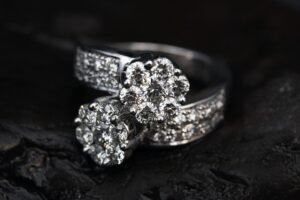
Whether you lean toward a simple solitaire or a dazzling halo, taking the time to understand the different engagement ring setting styles will help you find the perfect match for your radiant cut stone.
Answering Your Questions About Radiant Cut Diamonds
As you dive into the world of diamonds, it's completely normal for a few questions to pop up, especially when it comes to a unique shape like the radiant cut. It’s a stone that blends different styles, so let's clear up some of the most common questions I hear from buyers.
Do Radiant Cut Diamonds Look Bigger?
Yes, they absolutely do, and it’s one of their most celebrated perks. A radiant cut’s elongated shape and its wide, flat top surface (the table) work together to create an impressive "face-up" size. This means that, carat for carat, a radiant will almost always look larger on the finger than a round or princess cut diamond.
This clever visual trick is a huge part of the radiant's appeal. It lets you get a bigger, more impactful look without having to stretch your budget for a higher carat weight.
Are Radiant Cuts Good at Hiding Flaws?
Radiants are fantastic at camouflaging small internal flaws, what we call inclusions. Their brilliant, "crushed ice" style of faceting creates such a complex web of sparkle and reflections that it makes it incredibly difficult for the naked eye to pick out any imperfections.
This quality is a massive win for smart shoppers. It means you can often find a gorgeous, "eye-clean" stone with a more budget-friendly clarity grade, like a VS2 or SI1, that will appear totally flawless. This frees you up to put more of your budget toward a better cut or a larger carat size.
Is a Radiant Cut a Good Choice for an Engagement Ring?
A radiant cut is a phenomenal choice for an engagement ring. It truly delivers the best of both worlds, blending the intense, fiery sparkle of a round brilliant with the clean, modern silhouette of a rectangular stone.
What’s more, its cropped corners give it a huge durability advantage over the sharp, pointed corners of a princess cut. This makes the radiant far less prone to chipping, offering a perfect marriage of breathtaking beauty and practical strength for a ring you’ll wear every day.
What Is a Bow Tie in a Radiant Cut?
A "bow-tie" is a dark, bow-tie-shaped shadow that can show up across the center of elongated brilliant cuts, radiants included. It’s caused when facets don't properly bounce light back to your eye. While nearly all radiant cuts have a slight bow-tie, a well-cut stone will have one that’s faint and hard to notice. It's crucial to look at your stone in a high-quality video or in person to make sure the bow-tie isn't so dark that it distracts from the stone's brilliance.